Types Of Gelatin: Step-by-Step Instructions
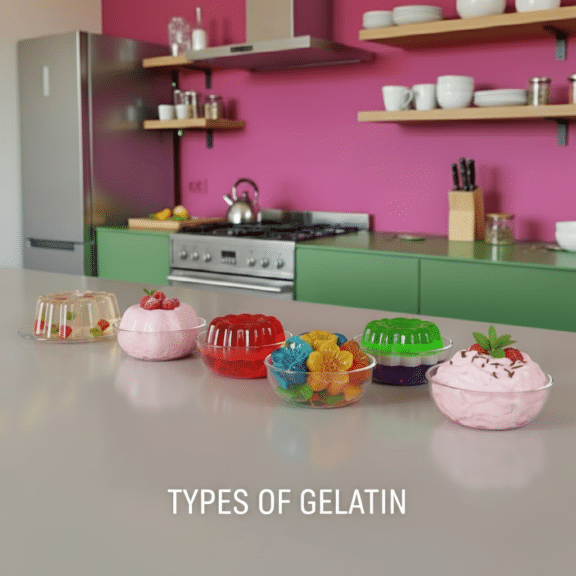
Fish gelatin, on the other hand, has a lower gel strength and a distinct fishy flavor, which limits its use in certain products. Plant-based gelatin, such as agar-agar, offers a high gel strength and neutral flavor, making it a popular alternative for vegetarians and vegans. Hydrolyzed gelatin lacks gelling properties but is easily absorbed by the body, making it ideal for dietary supplements.
Discover the benefits of gelatin here.
The choice of gelatin also depends on dietary restrictions and preferences. For example, halal and kosher-certified gelatin options are available for those who adhere to religious dietary laws. Additionally, plant-based gelatin is a suitable option for vegetarians and vegans who avoid animal-derived products.
Best Practices for types of gelatin
When using gelatin, it’s essential to follow best practices to achieve the desired results. Always measure the gelatin accurately, as the amount used can significantly impact the texture and consistency of your product. For powdered gelatin, it’s important to bloom it in cold water before dissolving it in hot liquid to ensure even distribution and proper hydration.
Curious about gelatin Uses? See the health benefits here.
Store gelatin in a cool, dry place to maintain its quality and shelf life. Exposure to moisture and heat can degrade the gelatin and reduce its effectiveness. When working with gelatin, avoid boiling it, high temperatures can break down the protein and weaken its gelling properties.
Consider the specific properties of the type of gelatin you’re using, such as gel strength and melting point, ensure it’s suitable for your application. For example, high-bloom gelatin is ideal for firm gels, while low-bloom gelatin is better suited for softer textures. Always test the gelatin in a small batch before scaling up to ensure the desired results.
Want to know more about the benefits of gelatin Applications? Check out this search.
Finally, mindful of dietary restrictions and preferences when selecting gelatin. Choose halal or kosher-certified options if necessary, and consider plant-based alternatives for vegetarian and vegan applications. By following these best practices, you can make the most of the different types of gelatin and achieve optimal results in your projects.
Frequently Asked Questions
What are the different types of gelatin available?
The main types of gelatin include animal-based gelatin (derived from collagen in animal bones and skin) and plant-based gelatin alternatives like agar-agar, pectin, and carrageenan. Each type has unique properties and uses in cooking and baking.
How is animal-based gelatin different from plant-based gelatin?
Animal-based gelatin is derived from collagen in animal parts, while plant-based gelatin is made from seaweed, fruit, or other plant sources. Plant-based options are vegan-friendly and often have different gelling properties.
Which type of gelatin is best for desserts?
For desserts, animal-based gelatin is commonly used due to its smooth texture and ability to set firmly. However, agar-agar is a popular plant-based alternative for vegan desserts.
Can you use powdered gelatin instead of sheet gelatin?
Yes, powdered gelatin can be used instead of sheet gelatin. However, they require different preparation methods, and the conversion ratio may vary depending on the recipe.
What are the health benefits of consuming gelatin?
Gelatin is rich in amino acids that support joint health, improve skin elasticity, and promote digestion. It’s also a source of protein and can aid in muscle recovery.
Is there a vegan alternative to traditional gelatin?
Yes, vegan alternatives to traditional gelatin include agar-agar, pectin, and carrageenan. These plant-based options are suitable for vegan diets and have similar gelling properties.
How do you prepare and use gelatin in recipes?
To prepare gelatin, soak it in cold water to bloom, then dissolve it in warm liquid. Follow recipe instructions carefully to ensure proper gelling and texture.
What are the common uses of gelatin in cooking?
Gelatin is commonly used in desserts like jellies, panna cotta, and marshmallows. It’s also used in savory dishes like aspic and to thicken sauces or soups.
How does gelatin affect the texture of food?
Gelatin creates a smooth, firm, and elastic texture in foods. It helps stabilize and thicken dishes, giving them a unique consistency that enhances the eating experience.
Can gelatin be used in cold dishes?
Yes, gelatin can be used in cold dishes, but it must be dissolved in warm liquid first and then cooled. Proper preparation ensures it sets correctly in cold recipes.
Conclusion
Understanding the different types of gelatin is essential for both cooking enthusiasts and health-conscious individuals. Whether you choose animal-based gelatin for its classic texture or opt for plant-based alternatives like agar-agar for vegan-friendly recipes, each type offers unique benefits. Gelatin’s versatility extends from desserts like jellies and panna cotta to savory dishes such as aspic, making it a staple in many kitchens. Beyond its culinary uses, gelatin provides health benefits like supporting joint health and improving skin elasticity. When preparing gelatin, proper techniques like blooming and dissolving ensure the desired texture and consistency. With this knowledge, you can confidently explore the many uses of gelatin in your cooking and baking endeavors. Next, consider experimenting with different types of gelatin in your favorite recipes to discover their unique properties.
Related recipes: Jello Pudding Pops Recipe, Easy 3-Ingredient Keto Jello, dr logan collins gelatin recipe, jelly lean gelatin recipe, Gelatin Trick Chamomile Sleep Recipe.
Learn more: Gelatin on Wikipedia · food storage & safety (FoodSafety.gov).
◆ ◆ ◆
← Back to Types Of GelatinGet new recipes
One tasty homemade recipe in your inbox each week. No spam, unsubscribe anytime.

Comments (9)