Gelatine Sculpt Recipe
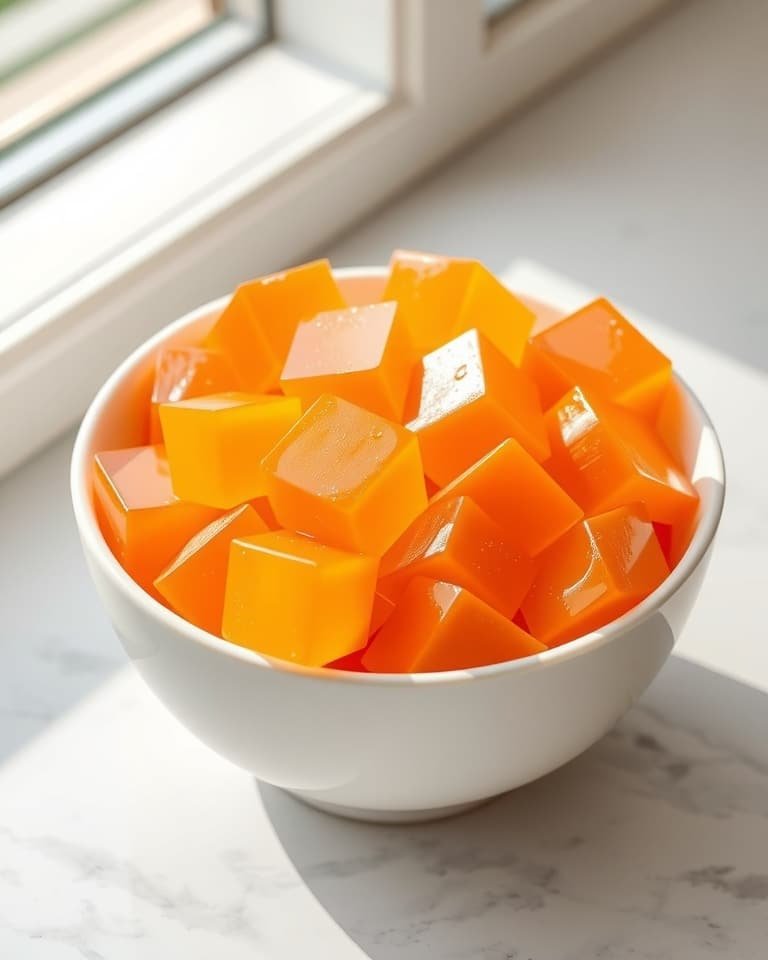
Looking for a simple, low-calorie dessert? This gelatine sculpt recipe for apricot orange cubes is easy to make, satisfying, and can support your weight loss journey. Science-backed, not preachy.
Let’s be honest: losing weight isn’t about magic pills or fad diets. It’s about understanding what you eat and making sustainable choices. One common hurdle is finding satisfying, low-calorie treats that don’t leave you feeling deprived. That’s where this simple gelatine sculpt recipe comes in. It’s not a weight-loss miracle, but it’s a fantastic, science-backed way to enjoy a sweet treat without derailing your efforts. We’re talking about delicious apricot orange cubes that are light, refreshing, and surprisingly filling for their calorie count. No bullshit, just clear, practical advice.
| Prep Time | 15 minutes | Cook Time | 0 minutes |
| Servings | 4 | Calories | 70 kcal |
Ingredients
- 2 cups (480ml) unsweetened apricot nectar or juice
- 1 cup (240ml) fresh orange juice, no pulp
- 4 packets (7g each) unflavored gelatin powder
- 1/4 cup (60ml) cold water
- 2 tbsp (30ml) fresh lemon juice
- 1-2 tbsp (15-30ml) erythritol or stevia, to taste (optional)
- 1 tsp cubes natural food coloring
Recommended Tools You’ll Need
| Tool | Why You Need It |
|---|---|
| Medium Saucepan | Essential for gently warming the juices and dissolving the gelatin without burning. |
| 8×8 inch Glass Dish or Silicone Mold | Provides the perfect shape for setting the gelatin and makes cutting into cubes easier. |
| Whisk | Ensures the gelatin dissolves completely and prevents lumps, leading to a smooth texture. |
| Measuring Cups and Spoons | Accuracy in ingredients is key for proper setting and consistent flavor in this recipe. |
Calorie Reality
At just 70 calories per serving, these apricot orange cubes are a fantastic, low-impact treat. In a typical 1500-2000 kcal daily budget for weight loss, this represents a tiny fraction of your intake, leaving plenty of room for nutrient-dense meals. It’s about smart swaps, not starvation.
About Your Daily Budget: Your Total Daily Energy Expenditure (TDEE) is the total number of calories your body burns in a day, including basal metabolism, activity, and digestion. To lose weight, you need to consistently consume fewer calories than your TDEE.
Diet Compatibility
Compatible with: Low-Calorie Diets, High-Protein Diets (as a snack), Gluten-Free Diets, Dairy-Free Diets
Not compatible with: Keto Diets (due to fruit sugars), Vegan Diets (gelatin is animal-derived), Strict Paleo Diets (processed sugar substitutes)
Warning: Mixing Diets: Attempting to combine incompatible diet approaches can be counterproductive and even harmful. For example, trying to be ‘keto-ish’ by cutting carbs but still consuming high amounts of unhealthy fats can lead to poor metabolic health and even more efficient lipogenesis (fat storage). Understand the principles of your chosen approach and stick with it consistently, or consult a registered dietitian for personalized guidance. Don’t fall for the ‘best of all worlds’ trap; it rarely works.
Expert Tips
For the best texture, ensure your gelatin is fully bloomed in cold water before adding it to the warm juice – this prevents lumps. Don’t let the juice boil, as excessive heat can degrade the gelatin’s setting power. If you’re struggling with portion control, make these into individual molds; it helps create a visual boundary for how much you’re consuming. For weight loss, consider having this as a mid-afternoon snack to curb sugar cravings before dinner, helping you stick to your calorie goals.
Macros Breakdown
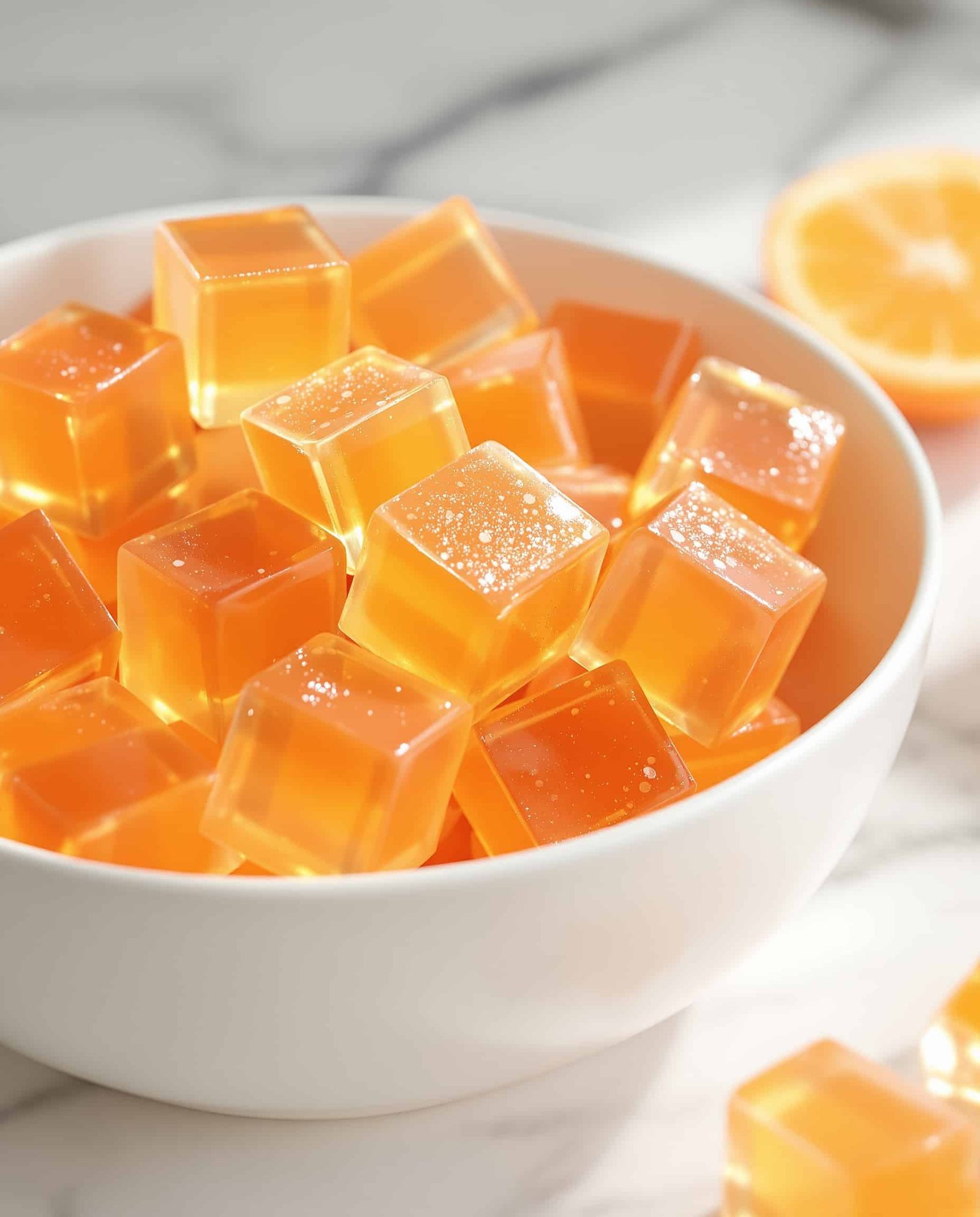
This recipe is primarily a source of protein from the gelatin and simple carbohydrates from the fruit juices. The high protein content (for a dessert) contributes to satiety, which is crucial for weight management. The lack of fat and fiber means it’s a very ‘clean’ calorie source, but remember to balance it with whole foods rich in fiber and healthy fats throughout your day.
Nutrition Information (per serving)
| Calories | Protein | Carbs | Fat | Fiber |
|---|---|---|---|---|
| 70 kcal | 6g | 12g | -g | -g |
Instructions
- In a medium saucepan, combine the apricot nectar and orange juice. Heat over medium-low heat until warm but not boiling (around 120°F / 49°C).
- While the juices are warming, sprinkle the gelatin powder over the 1/4 cup cold water in a small bowl. Let it sit for 5 minutes to bloom (thicken and absorb the water).
- Add the bloomed gelatin to the warm juice mixture, stirring constantly until the gelatin is completely dissolved. Ensure there are no lumps.
- Remove from heat and stir in the fresh lemon juice, cubes natural food coloring, and sweetener (if using). Taste and adjust sweetness as desired.
- Pour the mixture into an 8×8 inch (20×20 cm) glass dish or a silicone mold. Make sure the liquid is spread evenly.
- Refrigerate for at least 4 hours, or until completely set and firm.
- Once set, gently run a knife around the edges of the dish. Invert onto a cutting board, or carefully remove from the mold. Cut into small, uniform cubes.
- Serve chilled in a white bowl. Enjoy your refreshing and light gelatine sculpt!
Key Terms Explained
| Term | Explanation | Why it matters here |
|---|---|---|
| Gelatin | A protein derived from collagen, typically from animal bones and connective tissues, that forms a gel when dissolved in hot water and then cooled. | The primary structural component, giving the ‘sculpt’ its firm, jiggly texture and contributing protein. |
| Calorie Deficit | Consuming fewer calories than your body expends, forcing your body to use stored energy (fat) for fuel. | This low-calorie recipe helps you maintain a calorie deficit without feeling hungry or deprived. |
| Satiety | The feeling of fullness and satisfaction after eating, which helps control appetite and prevent overeating. | The protein in gelatin can contribute to satiety, making this dessert more filling than sugary alternatives. |
Gelatine Sculpt Recipe
Looking for a simple, low-calorie dessert? This gelatine sculpt recipe for apricot orange cubes is easy to make, satisfying, and can support your weight loss journey. Science-backed, not preachy.
Ingredients
Instructions
- In a medium saucepan , combine the apricot nectar and orange juice. Heat over medium-low heat until warm but not boiling (around 120°F / 49°C).
- While the juices are warming, sprinkle the gelatin powder over the 1/4 cup cold water in a small bowl. Let it sit for 5 minutes to bloom (thicken and absorb the water).
- Add the bloomed gelatin to the warm juice mixture, stirring constantly until the gelatin is completely dissolved. Ensure there are no lumps.
- Remove from heat and stir in the fresh lemon juice, cubes natural food coloring, and sweetener (if using). Taste and adjust sweetness as desired.
- Pour the mixture into an 8×8 inch (20×20 cm) glass dish or a silicone mold. Make sure the liquid is spread evenly.
- Refrigerate for at least 4 hours, or until completely set and firm.
- Once set, gently run a knife around the edges of the dish. Invert onto a cutting board , or carefully remove from the mold. Cut into small, uniform cubes.
- Serve chilled in a white bowl. Enjoy your refreshing and light gelatine sculpt!