Gelatin GLP-1 Hormone Recipe
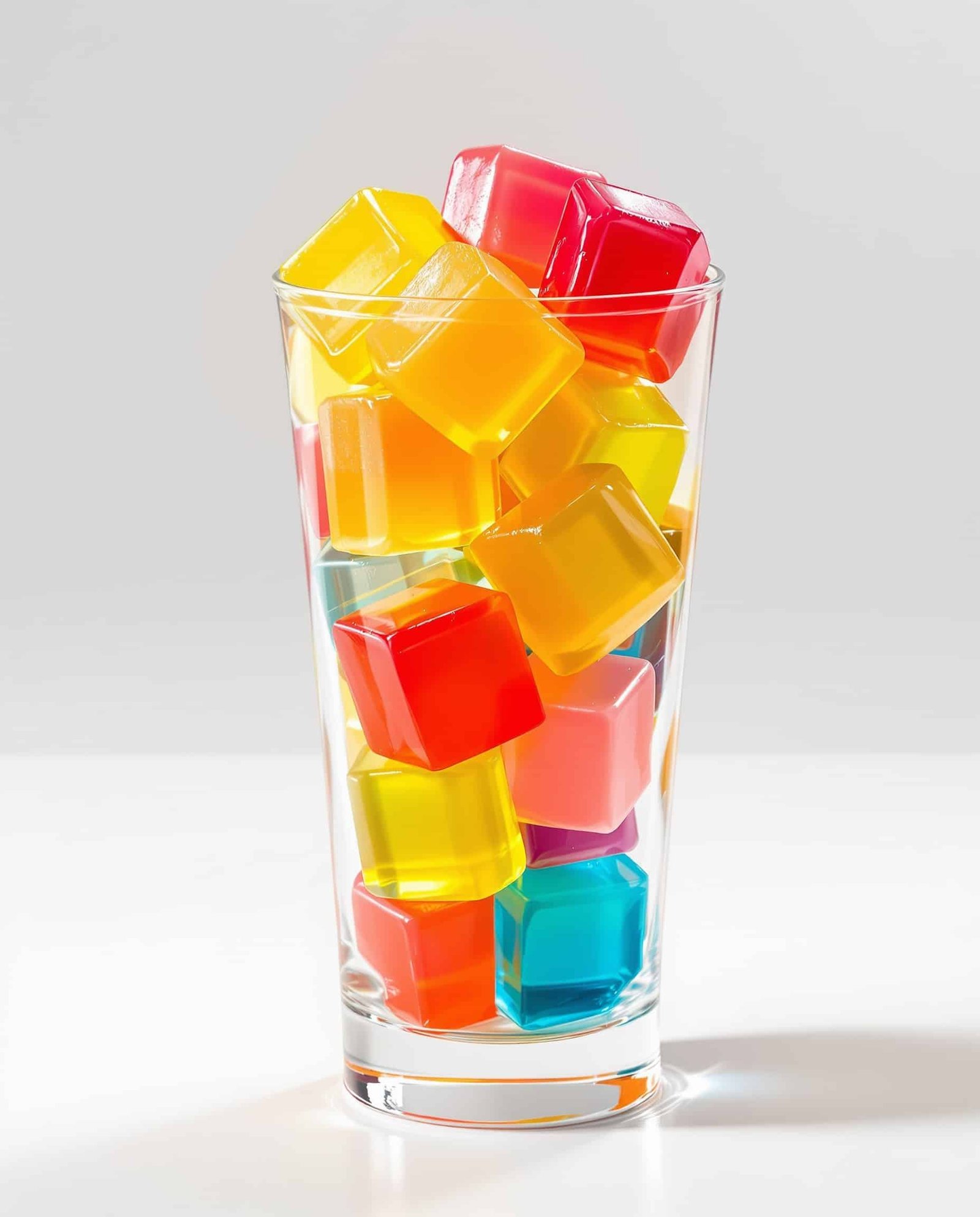
Discover our Gelatin GLP-1 hormone recipe, a science-backed approach to support satiety and weight management. Understand how gelatin can play a role in your weight loss journey.
Let’s be honest. In the vast ocean of weight loss advice, it’s easy to feel overwhelmed and misled. Many products promise miracles, but true, sustainable weight loss comes from understanding your body and making informed choices. Today, we’re diving into a simple yet powerful concept: how a humble ingredient like gelatin, when incorporated into a delicious recipe, might support your body’s natural satiety signals, particularly those involving GLP-1. This isn’t a magic pill, but it’s a tool that can help you feel fuller for longer, making calorie deficit – the real key to weight loss – feel a lot less like deprivation. This Gelatin GLP-1 hormone recipe is designed not just for taste, but for understanding.
| Prep Time | 10 minutes | Cook Time | 4 hours (chilling) |
| Servings | 4 | Calories | 75 kcal |
Ingredients
- 2 cups (480ml) unsweetened fruit juice (e.g., tart cherry, cranberry, or apple)
- 3 tablespoons unflavored gelatin powder
- 1/4 cup (60ml) cold water
- 2 tablespoons natural sweetener (e.g., erythritol, stevia, or a touch of maple syrup)
- 1 tsp natural cubes food coloring
- Pinch of sea salt
Recommended Tools You’ll Need
| Tool | Why You Need It |
|---|---|
| Medium Saucepan | Essential for gently warming the juice and dissolving the gelatin without scorching. |
| Whisk | Ensures smooth incorporation of gelatin and sweetener, preventing lumps. |
| Glass Dish or Individual Glasses | Ideal for setting the gelatin evenly and for easy serving. |
| Measuring Cups and Spoons | Crucial for precise ingredient amounts, which impacts consistency and nutritional accuracy. |
Calorie Reality
At 75 calories per serving, this gelatin recipe is a very low-calorie option, making it an excellent choice for a snack or dessert within a 1500-2000 kcal daily budget. It contributes minimally to your overall intake, leaving plenty of room for nutrient-dense meals. This allows you to enjoy something satisfying without derailing your calorie goals, which is fundamental for weight loss.
About Your Daily Budget: Your Total Daily Energy Expenditure (TDEE) is the total number of calories your body burns in a 24-hour period. It includes your Basal Metabolic Rate (BMR), activity level, and the thermic effect of food. Understanding your TDEE is crucial because consuming fewer calories than your TDEE is the only way to consistently lose weight.
Diet Compatibility
Compatible with: Low-Calorie Diets, High-Protein Diets, Gluten-Free Diets, Dairy-Free Diets
Not compatible with: Vegan Diets (gelatin is animal-derived), Keto Diets (due to fruit juice carbs), Strict Paleo Diets (depending on sweetener choice)
Warning: Mixing Diets: Attempting to combine vastly different dietary approaches (e.g., high-fat keto with low-fat vegan) without a clear understanding of nutritional science can be counterproductive and even harmful. Your body’s metabolic pathways are complex, and inconsistent macronutrient ratios can lead to confusion, energy imbalances, and even promote lipogenesis (fat storage) if your body isn’t sure how to process the conflicting signals. It’s usually best to choose one evidence-based approach and stick with it, or work with a professional to create a truly bespoke plan.
Expert Tips
For optimal GLP-1 support, consider consuming this gelatin as a snack between meals or before a meal to curb appetite. Opt for unsweetened fruit juices to keep sugar content low, or even use a protein-rich bone broth base for a savory version (though that’s a different flavor profile!). Don’t rely solely on this recipe; ensure your main meals are rich in whole foods, lean proteins, and plenty of fiber. Remember, consistency in your entire nutritional approach, coupled with physical activity, is what truly drives sustainable weight loss.
Macros Breakdown
This recipe is primarily a source of protein from the gelatin and carbohydrates from the fruit juice. The high protein content (6g per serving) is a key advantage for satiety, as protein is known to be the most filling macronutrient. The minimal fat and fiber mean it’s a light option, but it won’t replace a balanced meal. The focus here is on protein’s role in satiety and potentially supporting GLP-1.
Nutrition Information (per serving)
| Calories | Protein | Carbs | Fat | Fiber |
|---|---|---|---|---|
| 75 kcal | 6g | 12g | -g | -g |
Instructions
- In a small bowl, sprinkle the gelatin powder over the cold water. Let it sit for 5-10 minutes to “bloom” (thicken and absorb the water).
- In a medium saucepan, gently heat the fruit juice over medium heat until it’s warm but not boiling. Do not let it simmer.
- Remove the saucepan from the heat. Add the bloomed gelatin mixture, natural cubes food coloring, and sweetener to the warm juice. Stir continuously until the gelatin is completely dissolved and the color is uniform. A whisk can help prevent lumps.
- Add a pinch of sea salt and stir again.
- Carefully pour the mixture into a glass dish (approx. 8×8 inches) or individual cubes melon en verre (glass cubes).
- Refrigerate for at least 4 hours, or until completely set and firm.
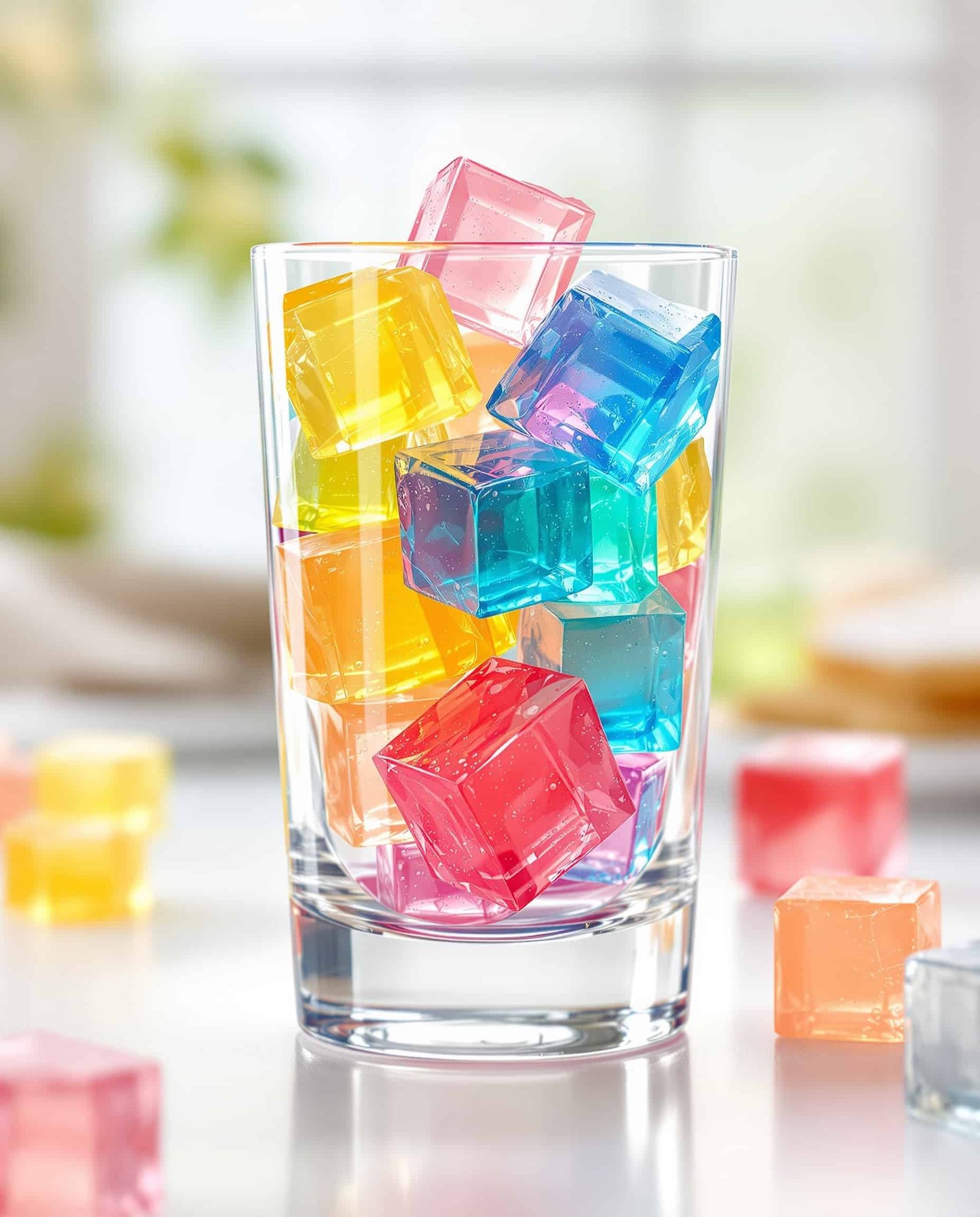
- Once set, cut the gelatin into cubes. Serve chilled.
Key Terms Explained
| Term | Explanation | Why it matters here |
|---|---|---|
| GLP-1 (Glucagon-Like Peptide-1) | GLP-1 is a hormone produced in the gut in response to food intake. It helps regulate blood sugar, slows stomach emptying, and signals satiety to the brain. | Protein, like gelatin, can stimulate GLP-1 release, which may enhance feelings of fullness and reduce appetite. |
| Satiety | Satiety refers to the feeling of fullness and satisfaction after eating, which helps reduce the desire to eat more. | The protein in gelatin contributes significantly to satiety, making you feel fuller and potentially consuming fewer calories overall. |
| Calorie Deficit | A calorie deficit occurs when you consume fewer calories than your body burns, leading to weight loss. | This low-calorie, high-satiety recipe can help you maintain a calorie deficit more comfortably by reducing hunger. |
Gelatin GLP-1 Hormone Recipe
Discover our Gelatin GLP-1 hormone recipe, a science-backed approach to support satiety and weight management. Understand how gelatin can play a role in your weight loss journey.
Ingredients
Instructions
- In a small bowl, sprinkle the gelatin powder over the cold water. Let it sit for 5-10 minutes to “bloom” (thicken and absorb the water).
- In a medium saucepan , gently heat the fruit juice over medium heat until it’s warm but not boiling. Do not let it simmer.
- Remove the saucepan from the heat. Add the bloomed gelatin mixture, natural cubes food coloring, and sweetener to the warm juice. Stir continuously until the gelatin is completely dissolved and the color is uniform. A whisk can help prevent lumps.
- Add a pinch of sea salt and stir again.
- Carefully pour the mixture into a glass dish (approx. 8×8 inches) or individual cubes melon en verre (glass cubes).
- Refrigerate for at least 4 hours, or until completely set and firm.
- Once set, cut the gelatin into cubes. Serve chilled.