ACV Honey Drink Recipe
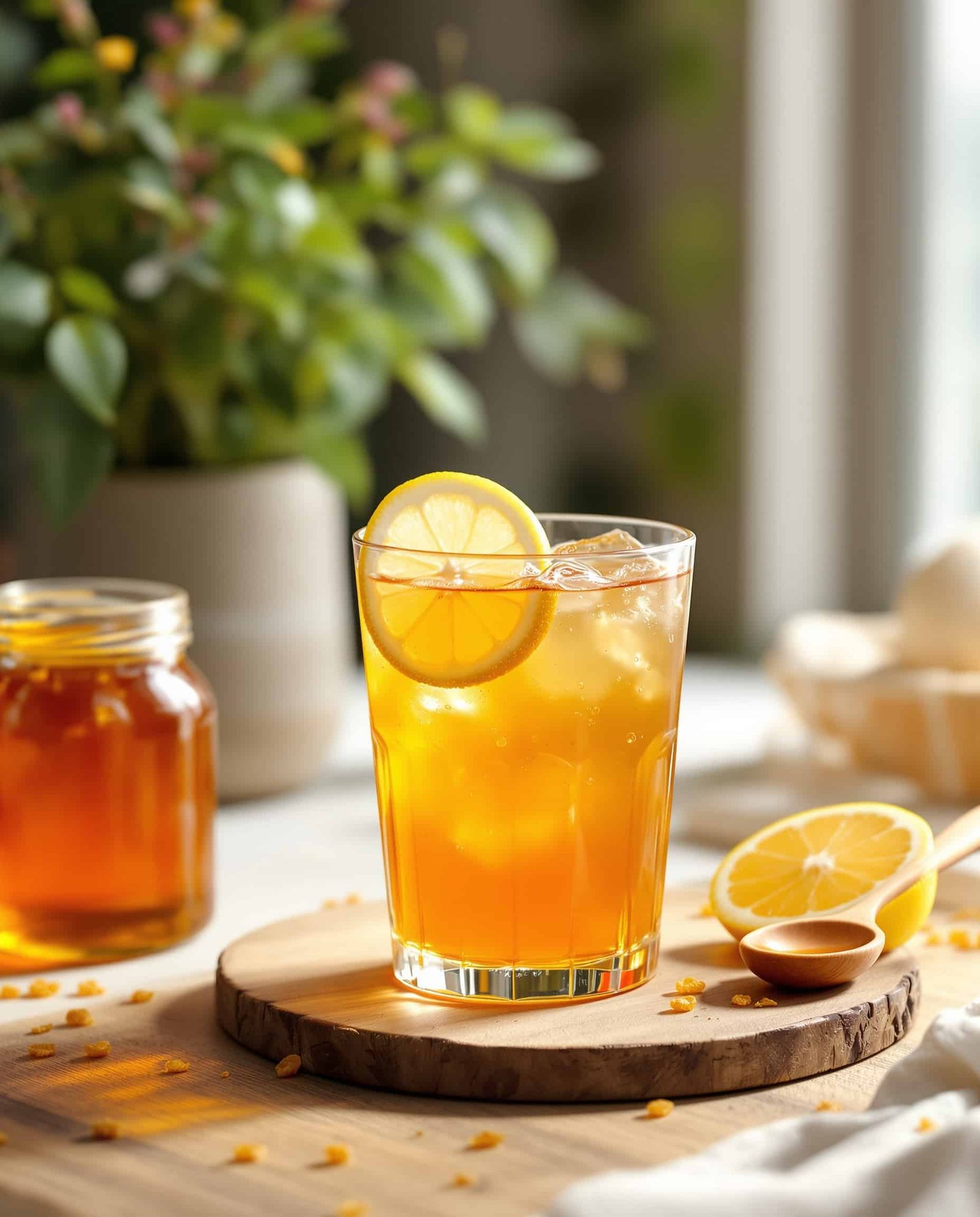
Curious about the ACV honey drink recipe for weight loss? Get a science-backed, no-nonsense guide to this popular concoction, its benefits, and realistic expectations.
Let’s be honest: when you’re wading through diet advice, it can feel like everyone’s selling a miracle cure. Spoiler alert: there aren’t any. But that doesn’t mean some simple additions to your routine can’t support your health goals. Today, we’re diving into the popular ACV honey drink recipe. This isn’t a magic potion, but understanding *why* people use it and what the science *actually* says can empower you to make informed choices on your weight management journey. No fluff, just facts.
| Prep Time | 5 minutes | Cook Time | 0 minutes |
| Servings | 1 | Calories | 64 kcal |
Ingredients
- 1 tablespoon (15ml) unfiltered Apple Cider Vinegar (ACV)
- 1 tablespoon (21g) raw honey
- 8 ounces (240ml) warm water
- 1 teaspoon ambre-doré natural food coloring (optional, for visual appeal)
- 1 slice fresh lemon (for garnish)
Recommended Tools You’ll Need
| Tool | Why You Need It |
|---|---|
| Measuring spoons | Crucial for accurate ingredient portions, especially with ACV and honey, ensuring consistent flavor and nutritional intake. |
| Glass mug or heat-safe glass | Ideal for warm beverages and provides a clear view of the ambre-doré color, enhancing the drinking experience. |
| Wooden spoon | Prevents scratching non-stick surfaces and doesn’t conduct heat, making it comfortable to stir warm drinks. |
| Lemon juicer (optional) | If you prefer fresh lemon juice over a slice, a juicer makes quick work of it, adding extra zest and nutrients. |
Instructions
- In a warm glass, combine the apple cider vinegar and raw honey.
- Pour in the warm water and stir well with a wooden spoon until the honey is fully dissolved. If using, add the ambre-doré natural food coloring and stir until evenly distributed.
- Garnish with a fresh lemon slice. Enjoy immediately.
Calorie Reality
At 64 calories, this ACV honey drink is a very small part of a typical daily caloric intake. For someone aiming for 1500-2000 calories per day, this represents roughly 3-4% of your total budget. It’s a low-calorie addition, but certainly not a meal replacement or a significant contributor to satiety on its own.
About Your Daily Budget: Your Total Daily Energy Expenditure (TDEE) is the total number of calories your body burns in a 24-hour period. It includes your Basal Metabolic Rate (BMR), the thermic effect of food, and energy expended through physical activity. Understanding your TDEE is fundamental for creating a calorie deficit for weight loss.
Diet Compatibility
Compatible with: General Healthy Eating, Mediterranean Diet (in moderation), Whole30 (without honey)
Not compatible with: Keto Diet, Low-Carb Diet, Strict Paleo Diet, Diabetic Diet (unless advised by doctor)
Warning: Mixing Diets: Attempting to haphazardly mix and match different diet approaches can be counterproductive and, frankly, dangerous. Each diet has specific principles designed to achieve certain physiological outcomes. For instance, combining high-carb elements from one diet with high-fat elements from another without understanding the metabolic impact can lead to excess calorie intake and even lipogenesis (the creation of fat). Stick to one evidence-based approach and consult a professional if you’re unsure.
Expert Tips
Always dilute ACV; drinking it straight can damage tooth enamel and irritate your esophagus. Use a straw if you’re concerned about dental health. For weight loss, focus on consistency with a balanced diet rich in whole foods, lean protein, and fiber, alongside regular physical activity. This drink can be a pleasant addition, but it’s the basics that move the needle. Don’t expect dramatic results from just one ingredient.
Macros Breakdown
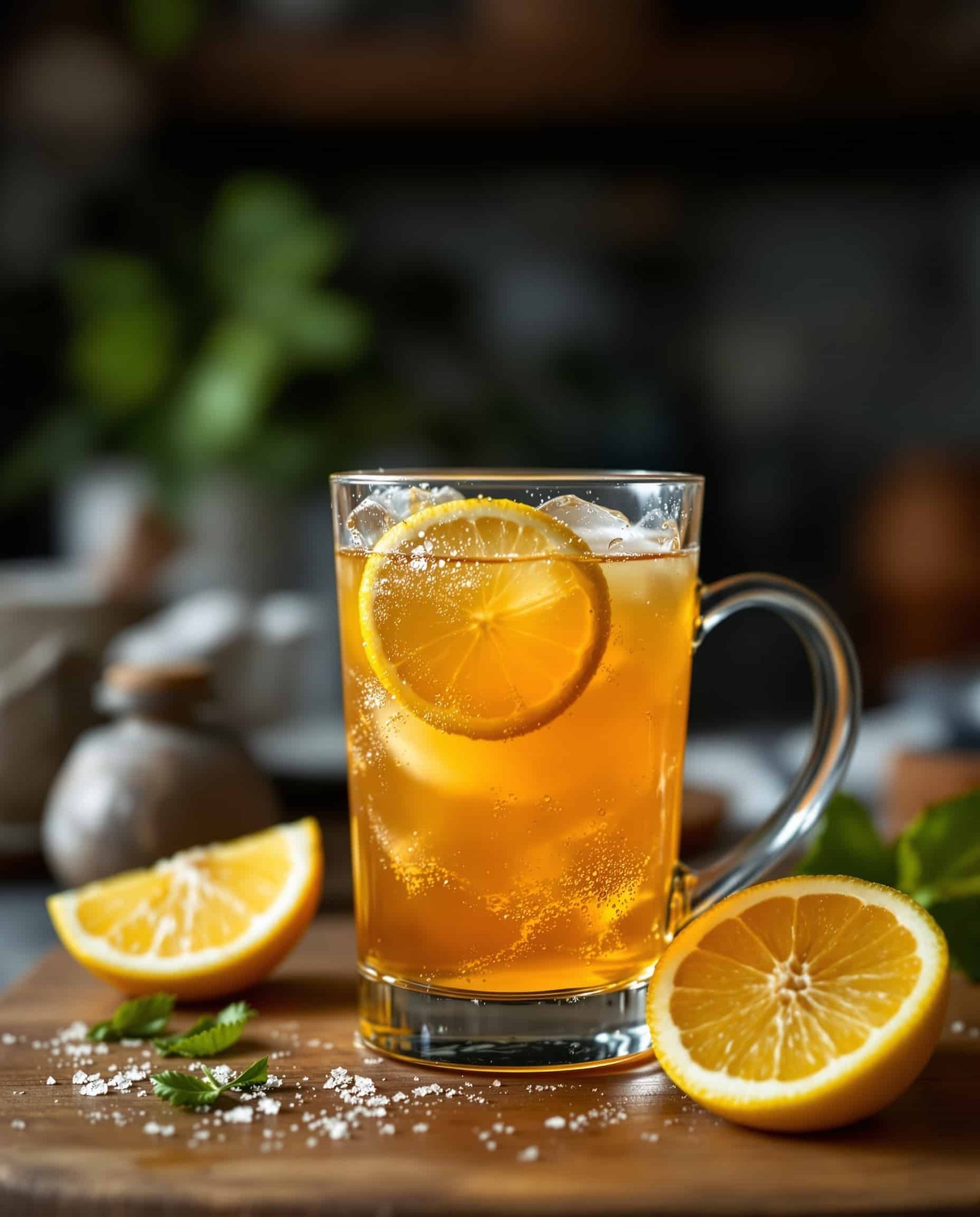
This drink is predominantly carbohydrates, almost entirely from the honey. It offers negligible protein, fat, or fiber. While carbs are essential, relying on simple sugars like honey for energy without fiber can lead to quick energy spikes rather than sustained satiety. For weight loss, focusing on balanced macros with adequate protein and fiber is generally more effective in promoting fullness.
Nutrition Information (per serving)
| Calories | Protein | Carbs | Fat | Fiber |
|---|---|---|---|---|
| 64 kcal | 0.1g | 17g | -g | -g |
Key Terms Explained
| Term | Explanation | Why it matters here |
|---|---|---|
| Apple Cider Vinegar (ACV) | ACV is fermented apple juice, containing acetic acid. Some research suggests it may help with blood sugar control and satiety. | The ‘star’ ingredient, believed to contribute to the drink’s potential health benefits, especially for appetite regulation. |
| Acetic Acid | The primary active compound in ACV, responsible for its distinctive taste and many of its purported health effects. | The component in ACV that research links to potential benefits like improved insulin sensitivity and fat oxidation. |
| Satiety | The feeling of fullness and satisfaction that reduces the desire to eat more. Crucial for managing calorie intake. | Some studies suggest ACV might promote satiety, potentially leading to reduced overall calorie consumption. |
| Calorie Deficit | Consuming fewer calories than your body expends. This is the fundamental principle for weight loss. | While this drink is low in calories, it doesn’t create a deficit on its own. It’s a tool to support a larger deficit. |
ACV Honey Drink Recipe
Curious about the ACV honey drink recipe for weight loss? Get a science-backed, no-nonsense guide to this popular concoction, its benefits, and realistic expectations.
Ingredients
Instructions
- In a warm glass, combine the apple cider vinegar and raw honey.
- Pour in the warm water and stir well with a wooden spoon until the honey is fully dissolved. If using, add the ambre-doré natural food coloring and stir until evenly distributed.
- Garnish with a fresh lemon slice. Enjoy immediately.